

 Ankle Pain
 Elbow Pain
 Foot Pain
 Hip Pain
 Knee Pain
 Lower Back Pain
 Neck Pain
 Shoulder Pain
 Upper Back Pain
 Hand Pain
 Wrist Pain


What’s Really Behind the Rise in Youth Sports Injuries
If you spend any time around youth sports today, one thing becomes hard to ignore: kids are getting hurt more often. It’s not just the occasional bump or bruise that comes with playing hard. It’s the recurring ache in a knee, a heel that flares up, or a shoulder that never quite feels right. It is a lingering discomfort that eventually changes how a young athlete moves.
It is easy to assume the answer is simple: too many games, too much competition, too much, too soon. While there is truth in that, it doesn’t explain why these injuries are becoming so repetitive or why they are appearing earlier than ever before.
The data is startling. Over the past decade, teen overuse injuries have increased by nearly 500%, now accounting for half of all youth sports injuries. Procedures once rare in children, like ACL reconstructions and “Tommy John” elbow surgeries, have become commonplace.
What has changed isn’t just how much kids play. It’s how they move the rest of the time, and what that means when they finally step onto the field.
The Missing Middle
Today’s young athletes are often intensely active during practice and surprisingly inactive the rest of the day. They transition from structured training environments to long periods of sitting: school desks, car rides, and screens. Then, they head back into the highly specific, repetitive movement patterns of their sport.
That “middle ground”—the unstructured, varied movement that used to define childhood—is disappearing. Climbing, crawling, balancing, and jumping weren’t just ways to pass the time. They were how the body learned to organize itself. Without that variety, something subtle happens. The body continues to perform, often at a high level, but it begins to rely on the same narrow pathways over and over again.
When the Body Has Fewer Options
From an Egoscue perspective, the body is designed with options. Multiple ways to move, multiple muscles to share the load, and multiple joints to contribute to a single action. When those options narrow, the body doesn’t stop moving. It adapts. Certain muscles begin to dominate while others quietly disengage. Joints start taking on roles they weren’t designed for. At first, nothing feels dramatically wrong. It just feels a little tighter, a little “off,” or slightly inconsistent.
Then, you add repetition: a baseball swing, a tennis serve, a soccer cut, a volleyball spike. These are all valuable skills, but when they are layered onto a body with limited movement options, they become stress multipliers. Over time, that stress has to go somewhere.
Don’t Blame the Sport
Sports are not the problem. In fact, they are one of the best things a young person can do. The issue is not that kids are playing. It’s that their bodies are not always prepared for the specific demands being placed on them.
When a body is balanced, it distributes load naturally. Movement feels fluid and effort is shared. But when a body is out of balance, even a gifted athlete can remain unaware they are compensating until something starts to hurt.
Restoring What’s Missing
The solution isn’t pulling kids out of sports or asking them to do less of what they love. It’s giving their bodies back what has been lost.
Research shows that up to 50% of overuse injuries are preventable. This prevention starts by reintroducing varied movement that isn’t tied to a specific sport or performance outcome. This “functional stimulus” reminds the body how to operate as a cohesive system rather than a collection of isolated parts. By directly addressing posture and alignment, we help the body return to a position where joints and muscles share the workload exactly as they were designed to. When that shift happens, movement becomes easier, strain decreases, and the body becomes more resilient. Not just for one season, but for the long haul.
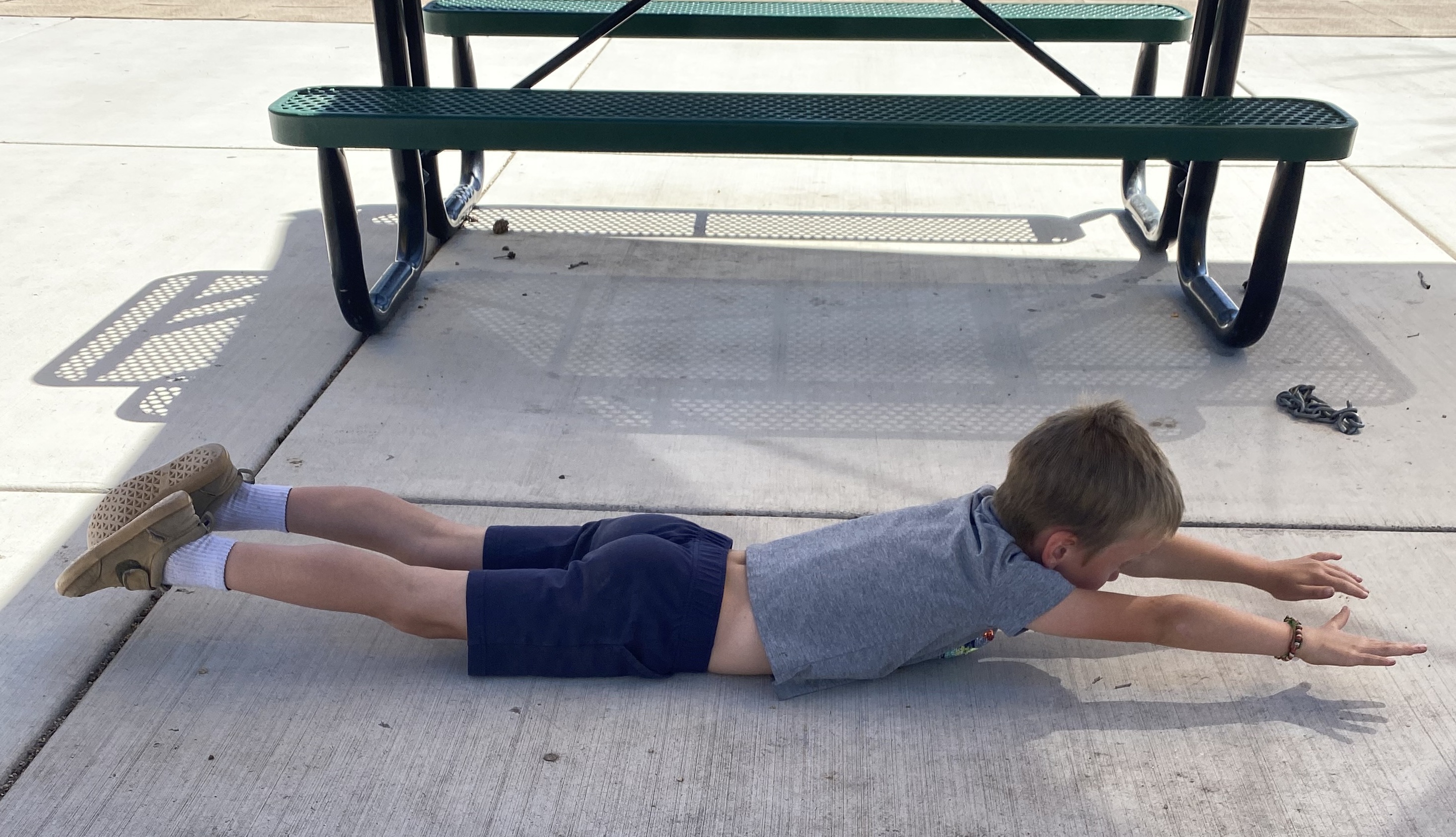
And when we address posture and alignment, we aren’t just “fixing” an injury problem. We are also unlocking athletic potential. Every postural imbalance is a “movement tax” that limits the body’s performance. A misaligned hip saps power from a soccer kick. A rounded shoulder restricts the reach of a swim stroke. By restoring the body to its design blueprint, we achieve a dual win. The body becomes resilient against injury, and the athlete becomes more efficient, explosive, and fluid.
The Long Game
Youth sports are about more than just a scoreboard or a single season. The ultimate goal should be to build durability and confidence. We want bodies that can keep showing up—this year, next year, and for decades to come. Kids aren’t fragile. They are incredibly adaptable. They just need the right inputs.
Is your child dealing with recurring aches or injuries? A posture evaluation can help uncover exactly what their body is missing. Let’s build a foundation that supports both elite performance and long-term health.
